


Why Cycling Puts the Knees Under Constant Stress
Cycling is often seen as a low-impact sport, but it still places repetitive strain on the knee joints. Every pedal stroke requires continuous flexion and extension of the knee, often for long durations without rest.
Over time, this repetitive motion can lead to stiffness, especially in the quadriceps, hamstrings, and surrounding tendons. Cold weather, long rides, and poor recovery habits can make this stiffness even more noticeable.
Many cyclists don’t feel discomfort during the ride itself, but experience tightness afterward or during recovery periods. Therefore a knee massager uk plays a vital role in this process.
The Importance of Warm Joints for Performance
Warm joints move more efficiently. When the muscles and connective tissues around the knee are warm, they become more flexible and responsive, allowing smoother motion with less resistance.
Cold or tight joints, on the other hand, reduce range of motion and increase strain on surrounding muscles. This can affect pedaling efficiency and increase fatigue over long distances.
For cyclists, maintaining warmth in the knees is not just about comfort—it directly influences performance and recovery.
Why Cyclists Experience Knee Stiffness
Cycling involves repetitive, controlled movement with limited variation in joint angle. While this is excellent for endurance, it can lead to muscle tightness over time.
The quadriceps, which play a major role in pedaling power, often become overworked and tight. This tightness can pull on the knee joint and reduce flexibility.
Additionally, long periods of sitting in a cycling position can restrict circulation, especially in colder environments or after intense rides.
How a Heated Knee Massager Works
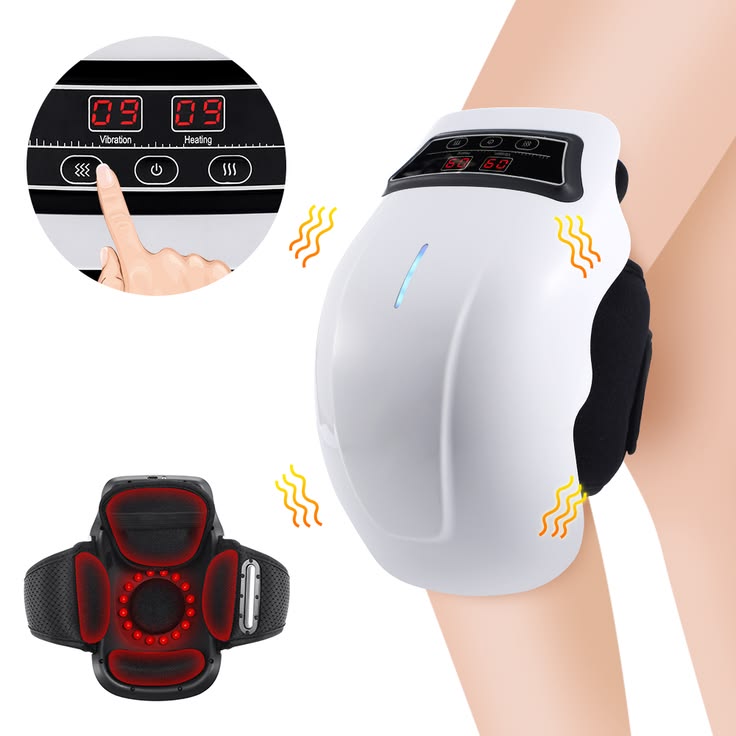
A heated knee massager uk uses controlled thermal therapy to warm the tissues around the knee joint. This heat penetrates the muscles, helping them relax and become more flexible.
In many devices, heat is combined with vibration or compression, which further stimulates blood flow and helps release muscle tension.
The goal is to replicate the benefits of a post-ride warm-down or massage session, but in a convenient, at-home form.
Improving Circulation After Long Rides
One of the key benefits of heat therapy is improved circulation. After long cycling sessions, blood flow in the lower body can become sluggish due to sustained muscle contraction.
A heated knee massager helps restore circulation by expanding blood vessels and encouraging oxygen delivery to fatigued muscles.
This helps reduce the feeling of heaviness in the legs and supports faster recovery after rides.
Reducing Post-Ride Stiffness
Stiffness is one of the most common complaints among cyclists, especially after long or intense rides. It often appears in the knees and thighs due to accumulated muscle tension.
Heat helps loosen these tight muscles, making movement feel easier and more natural. When combined with gentle vibration or compression, the effect is even more noticeable.
This allows cyclists to recover more comfortably and return to training sooner.
Supporting Cold Weather Riding
Cold weather cycling places additional stress on the joints. Low temperatures can cause muscles and tendons around the knee to stiffen more quickly, increasing discomfort during and after rides.
A heated knee massager becomes especially valuable in these conditions. By restoring warmth to the joint after cycling, it helps counteract the effects of cold exposure.
This not only improves comfort but also supports better long-term joint health during seasonal training.
Enhancing Recovery Between Training Sessions
Cyclists often train frequently, especially during peak seasons. Without proper recovery, fatigue can accumulate and affect performance.
A heated knee massager helps speed up recovery by relaxing muscles and improving circulation after each session. This ensures that the knees are ready for the next ride with less residual stiffness.
Consistent recovery also helps maintain smoother pedaling mechanics over time.
Supporting Long-Term Knee Health
Repetitive cycling motion can place ongoing stress on the knees if recovery is neglected. Over time, this may lead to chronic tightness or discomfort.
A heated knee massager supports long-term joint health by maintaining flexibility in the surrounding muscles and improving circulation regularly.
This helps reduce cumulative strain and supports healthier movement patterns during cycling.
A Simple Recovery Tool for Busy Riders
One of the advantages of a knee massager is its simplicity. Cyclists can use it after rides for just 10 to 15 minutes to experience noticeable relief.
It fits easily into post-training routines, whether used at home, after commuting, or following long-distance rides.
This convenience makes it easier to maintain consistent recovery habits.
Safe and Effective Use for Cyclists
A heated knee massager should always be used at a comfortable temperature. The sensation should feel warm and soothing, not intense or uncomfortable.
Moderate settings are typically sufficient for post-ride recovery. If any discomfort occurs, intensity should be reduced.
Regular use is more effective than occasional long sessions.
Conclusion
Cycling places repetitive stress on the knees, making warmth and recovery essential for performance and comfort. Without proper care, stiffness and fatigue can build up over time.
A heated knee massager offers a simple and effective solution by restoring warmth, improving circulation, and relaxing tight muscles after rides.
For cyclists looking to enhance recovery and maintain long-term joint health, keeping the knees warm is not just beneficial—it is essential for consistent performance and comfort on every ride.
