


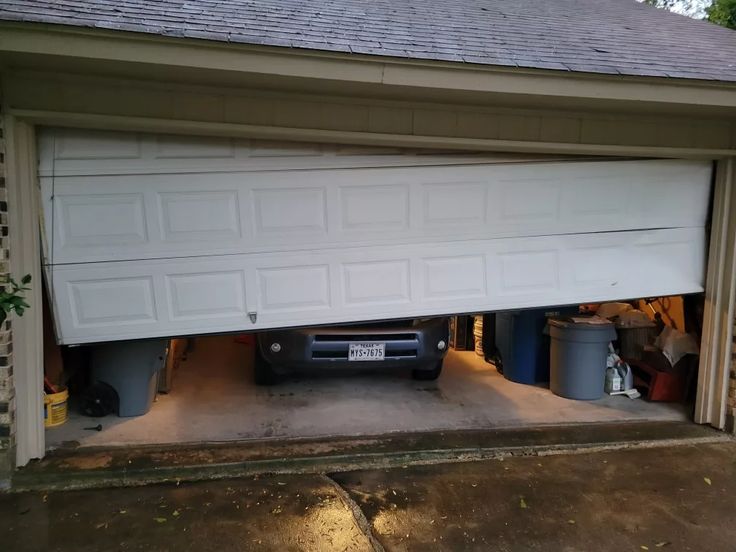
Installing a new garage door opener should provide smooth, reliable operation from day one. However, some homeowners encounter a frustrating problem shortly after installation: the garage door opens normally but refuses to close. In many cases, the opener may start the closing cycle only to stop, reverse direction, or do nothing at all when the close button is pressed.
Fortunately, most garage door opener closing issues can be traced to a handful of common causes. Understanding how modern garage door service Chandler AZ openers work and following a systematic troubleshooting process can help identify the problem and restore proper operation.
How Modern Garage Door Openers Control Closing
Today’s garage door openers include several safety systems designed to prevent accidents and property damage.
When the opener attempts to close the door, it checks inputs from:
- Safety sensors
- Travel limits
- Force settings
- Wall controls
- Remote controls
- Logic boards
If any of these systems detect a problem, the opener may prevent the door from closing as a safety precaution.
Start With the Safety Sensors
One of the most common reasons a new garage door opener won’t close is a problem with the photo-eye safety sensors.
What Are Safety Sensors?
Safety sensors are mounted near the bottom of the garage door tracks, typically about six inches above the floor.
They create an invisible beam across the door opening.
If the beam is interrupted, the opener prevents the door from closing.
Check Sensor Alignment
During installation, sensors can become slightly misaligned.
Signs of alignment issues include:
- Blinking sensor lights
- No indicator light
- Door reverses immediately
- Door only closes when holding the wall button
Inspect both sensors and ensure they face each other directly.
Clean the Sensor Lenses
Dust, dirt, spider webs, or debris can block the beam.
Use a soft cloth to gently clean the sensor lenses.
Avoid abrasive cleaners that may scratch the surface.
Verify Secure Mounting
Loose mounting brackets can allow sensors to shift out of alignment.
Tighten any loose hardware and confirm both sensors remain level.
Look for Obstructions in the Door’s Path
Modern openers are designed to stop closing if they detect an obstruction.
Check for:
- Tools
- Storage boxes
- Toys
- Leaves
- Debris
- Ice buildup
Even small objects near the sensor beam can prevent operation.
Inspect the entire door opening carefully.
Test the Wall Control
If the door refuses to close using remotes but works from the wall button, the issue may involve remote controls rather than the opener itself.
Check:
- Remote batteries
- Programming settings
- Signal interference
If the wall button also fails to close the door, continue with additional troubleshooting steps.
Examine the Door Tracks
A garage door opener cannot safely close a door if the tracks are damaged or obstructed.
Inspect the tracks for:
- Dirt buildup
- Bent sections
- Loose mounting brackets
- Misalignment
Tracks should appear straight, secure, and free from obstructions.
Remove Debris
Clean the tracks using a dry cloth.
Avoid applying grease inside the track, as this can attract additional dirt.
Verify Proper Door Balance
Even a brand-new garage door opener can struggle if the door itself is improperly balanced.
Test Manual Operation
Disconnect the opener using the emergency release cord.
Then manually raise and lower the door.
A properly balanced door should:
- Move smoothly
- Remain partially open when released
- Require minimal effort
If the door feels unusually heavy or falls rapidly, the spring system may need adjustment.
Check the Travel Limit Settings
Travel limits tell the opener how far the door should move during opening and closing.
Improper limit settings are a common issue after installation.
Signs of Incorrect Close Limits
You may notice:
- Door stops before reaching the floor
- Door touches the floor and reverses
- Door reverses immediately during closing
Most openers include adjustment controls for travel limits.
Consult the manufacturer’s instructions for your specific model.
Inspect the Force Settings
Garage door openers use force settings to determine how much resistance is acceptable during operation.
If the close force is set too low, the opener may mistakenly interpret normal resistance as an obstruction.
Symptoms include:
- Partial closing
- Unexpected reversal
- Failure to complete the closing cycle
Proper force adjustment helps ensure safe and reliable operation.
Confirm Sensor Wiring Connections
If the opener was recently installed, wiring issues may be responsible.
Inspect sensor wiring for:
- Loose connections
- Pinched wires
- Reversed terminals
- Damaged insulation
Most sensor systems use low-voltage wiring that must be connected according to manufacturer specifications.
Even a minor wiring error can prevent door closure.
Check for Lock Features
Many modern garage door openers include a vacation mode or lock feature.
When activated:
- Remotes may stop working
- Certain functions become disabled
Look for lock indicators on the wall control panel.
Deactivate the lock mode if necessary and retest the system.
Inspect the Garage Door Opener Rail
The opener rail guides the trolley that moves the garage door.
Check for:
- Loose hardware
- Obstructions
- Improper assembly
- Bent sections
A damaged or incorrectly assembled rail can interfere with proper operation.
Evaluate Electrical Power Supply
An unstable power supply may cause opener malfunctions.
Verify:
- Opener is plugged in securely
- Circuit breaker is functioning properly
- Outlet is supplying power
If the opener lights operate normally, power issues are less likely but still worth checking.
Reprogram the Opener If Necessary
Occasionally, installation errors occur during programming.
Resetting and reprogramming the opener may resolve:
- Remote communication issues
- Travel limit errors
- System configuration problems
Follow the manufacturer’s reset procedures carefully.
Check for Smart Home Integration Problems
If your opener connects to a smart home platform, app configuration issues may interfere with operation.
Verify:
- Wi-Fi connectivity
- Firmware updates
- App permissions
- Device pairing status
In some cases, disconnecting and reconnecting smart features resolves communication problems.
Common Symptoms and Their Causes
Door Starts Closing Then Reverses
Possible causes include:
- Misaligned sensors
- Incorrect force settings
- Travel limit issues
- Track obstructions
Door Only Closes When Holding the Wall Button
This often indicates:
- Sensor alignment problems
- Sensor wiring faults
- Failed safety sensors
Door Won’t Move at All
Potential causes include:
- Power issues
- Lock mode activation
- Wiring problems
- Control board malfunctions
Door Stops Before Reaching the Floor
Possible explanations include:
- Incorrect close limits
- Force setting issues
- Track interference
Preventing Future Closing Problems
Proper maintenance helps minimize opener issues.
Recommended practices include:
Clean Safety Sensors Regularly
Keep lenses free from dust and debris.
Inspect Hardware Periodically
Check for loose bolts, brackets, and fasteners.
Lubricate Moving Parts
Apply garage-door-approved lubricant to:
- Rollers
- Hinges
- Bearings
Test Safety Features Monthly
Verify proper sensor and auto-reverse operation.
Routine testing helps identify problems before they affect performance.
When to Contact a Professional
While many issues can be resolved through basic troubleshooting, professional assistance may be necessary if:
- Sensors remain unresponsive
- Wiring problems are suspected
- The opener logic board is malfunctioning
- Spring issues affect door balance
- Travel adjustments fail to solve the problem
A trained technician can quickly diagnose complex issues and ensure safe operation.
Final Thoughts
A new garage door opener that won’t close can be frustrating, but the problem is often caused by a simple issue such as sensor misalignment, incorrect travel settings, wiring errors, or door balance problems. By systematically checking each component, homeowners can often identify and resolve the issue without major repairs.
Proper installation, regular maintenance, and prompt troubleshooting help ensure your garage door opener operates safely and reliably. If problems persist after basic troubleshooting, professional service can restore full functionality and protect your investment in your new garage door system.
