


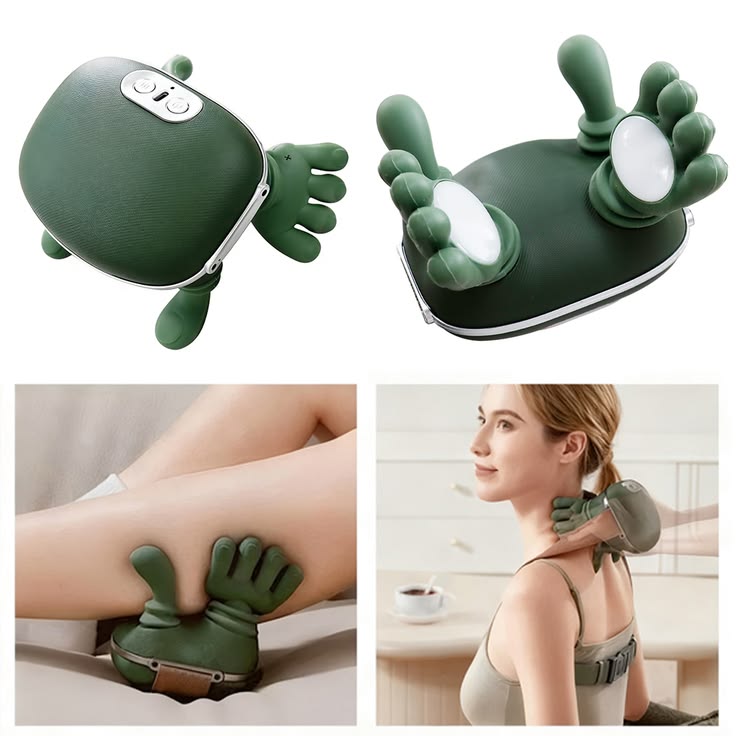
Modern muscle pain rarely stays in one place. Neck stiffness can radiate into the shoulders, while hand fatigue often travels up the forearm and contributes to upper-body tension. This interconnected nature of discomfort is exactly why dual-zone massagers—devices designed to address both hand and neck regions—are gaining popularity Hand neck massager.
Instead of treating symptoms in isolation, these systems work across two key areas of the body, offering a more complete approach to relaxation and recovery.
Understanding the “Dual-Zone” Concept
A dual-zone massager is designed to target two separate but connected muscle regions in a single system.
Typical Zones Include:
- Neck and shoulders (cervical and trapezius area)
- Hands, wrists, or forearms (carpal and flexor/extensor muscles)
The goal is to address both local tension and the upstream or downstream muscle chains that contribute to discomfort.
Why Neck and Hand Stiffness Are Connected
Pain in the neck and hands often shares a common origin: repetitive strain and posture imbalance.
1. Posture-Driven Strain
Long hours of typing, scrolling, or desk work can lead to:
- Forward head posture
- Rounded shoulders
- Wrist overuse
These positions create tension across multiple muscle groups simultaneously.
2. Muscle Chain Interdependence
The upper body operates as a kinetic chain:
- Neck muscles support shoulder alignment
- Shoulders influence arm movement
- Arms control wrist and hand function
Tension in one area often affects the others.
3. Nerve Pathway Sensitivity
Nerves that run from the cervical spine extend into the arms and hands, meaning irritation can produce widespread discomfort.
How Dual-Zone Massagers Work
These devices combine two functional massage systems into one coordinated experience.
1. Neck and Shoulder Module
This section typically uses:
- Hand-simulated kneading nodes
- Heat therapy
- Adjustable pressure settings
Function
Targets trapezius and cervical muscles to release upper-body tension.
2. Hand or Forearm Module
This section often includes:
- Compression chambers or rolling nodes
- Gentle kneading mechanisms
- Circulation-focused pressure
Function
Helps reduce fatigue in overworked hand and wrist muscles.
3. Synchronized Relief Effect
When both zones are treated together:
- Upper-body tension decreases
- Circulation improves across the entire arm
- Muscle recovery becomes more balanced
Why Treating Both Areas Together Is More Effective
1. Prevents Recurring Tension
Relieving only one area often leads to compensation in another. Dual-zone treatment reduces this cycle.
2. Improves Blood Flow Continuity
Better circulation from neck to hand supports faster recovery across the entire limb.
3. Enhances Nervous System Relaxation
Simultaneous relief helps the body shift more quickly into a relaxed state.
4. Reduces Overcompensation Strain
When the neck is relaxed but hands remain tense (or vice versa), imbalance persists. Dual-zone systems correct this.
The Role of Hand-Simulated Technology
In advanced dual-zone systems, both areas benefit from lifelike motion.
Neck Section
- Thumb-like pressure
- Palm-style kneading
- Heat-assisted relaxation
Hand Section
- Gentle compression cycles
- Rolling or pulsing stimulation
- Circulation-focused movement
This combination creates a more complete recovery experience.
When Dual-Zone Massagers Are Most Useful
1. Desk Workers
Ideal for long hours of typing or computer use.
2. Gamers and Device Users
Helps relieve repetitive strain in both hands and neck.
3. Manual Workers
Supports recovery from physical labor involving gripping and lifting.
4. Travel and Remote Work
Convenient for managing stiffness in multiple areas without separate devices.
Key Benefits of Dual-Zone Relief
Comprehensive Muscle Recovery
Addresses both ends of the upper-body tension chain.
Time Efficiency
Two problem areas treated in a single session.
Balanced Relaxation
Prevents one area from remaining tight while the other relaxes.
Improved Comfort Consistency
Reduces daily buildup of stiffness across connected muscles.
Common Mistakes to Avoid
Focusing Only on One Zone
Using only the neck or hand function reduces overall effectiveness.
Using High Intensity in Both Zones Immediately
Can cause overstimulation and discomfort.
Ignoring Posture Habits
Massage alone cannot fully offset poor ergonomic habits.
How to Maximize Dual-Zone Results
1. Start with Gentle Settings
Allow both areas to adapt to pressure gradually.
2. Alternate Intensity Levels
Use lighter pressure for hands and moderate pressure for neck when starting out.
3. Use Short, Regular Sessions
10–15 minutes per cycle is often enough for noticeable relief.
4. Combine With Movement Breaks
Stretching and posture resets improve long-term results.
Why Dual-Zone Systems Represent an Evolution in Massage Tech
Traditional devices treat body parts separately. Dual-zone systems reflect a more integrated understanding of human biomechanics.
Key Shift
- From isolated relief → connected muscle recovery
- From single-area focus → whole-chain treatment
- From static tools → adaptive systems
Final Thoughts
Dual-zone massagers offer a more complete approach to managing modern muscle tension by addressing both hand and neck stiffness in a single system. Because these areas are biomechanically connected, treating them together leads to more balanced, effective, and longer-lasting relief.
For people dealing with desk-related strain, repetitive hand use, or general upper-body fatigue, dual-zone technology provides a practical solution that goes beyond localized comfort—supporting full upper-limb recovery in a single, coordinated experience.
