


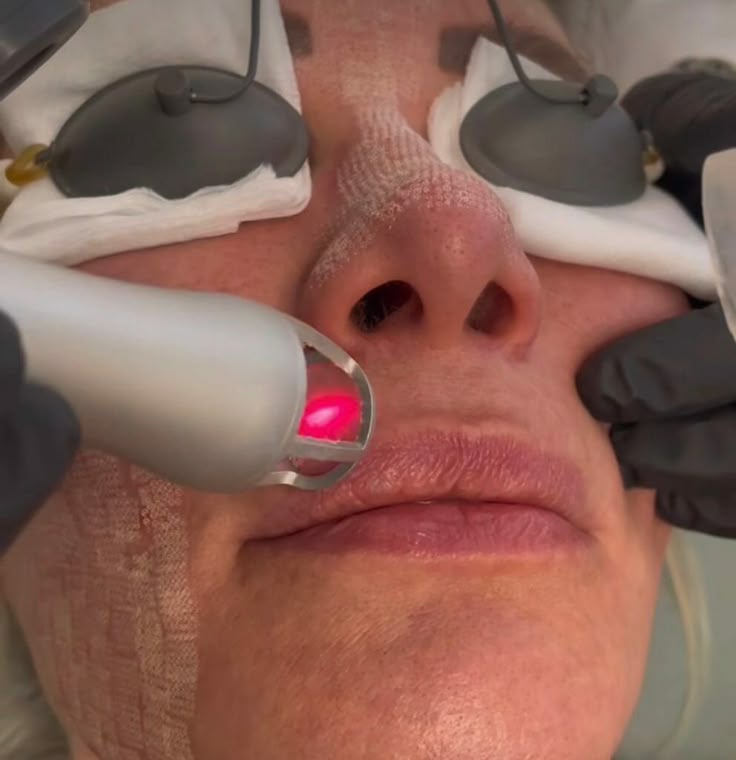
Depressed acne scars can be some of the most difficult skin concerns to treat because they are not simply surface imperfections. These scars form when inflammation damages collagen beneath the skin, creating indentations that make the skin appear uneven.
While skincare products and surface treatments can improve overall skin quality, deeper scars often require procedures that address the underlying structural damage. Two highly effective treatments for stubborn depressed scars are subcision and dermal fillers.
When used alone or together, these Acne Scars The Woodlands treatments can lift depressed areas, stimulate collagen production, and create smoother-looking skin texture.
Understanding Depressed Acne Scars
Depressed scars occur when the skin loses collagen during the healing process after severe acne inflammation. Instead of producing enough supportive tissue, the skin heals with a lowered or sunken appearance.
Common types of depressed acne scars include:
Rolling Scars
Rolling scars create a wave-like texture because fibrous bands beneath the skin pull the surface downward. They often appear softer and wider than other scar types.
Boxcar Scars
Boxcar scars are wider depressions with defined edges. They can range from shallow to deep and are commonly found on the cheeks.
Icepick Scars
Icepick scars are narrow, deep indentations that extend into the skin. They often require more targeted treatments.
While different scar types need different approaches, scars caused by tethering beneath the skin often respond especially well to subcision.
What Is Subcision?
Subcision is a minimally invasive procedure designed to release the scar tissue that pulls the skin downward.
During treatment, a dermatologist inserts a small needle beneath the skin. The needle is carefully moved to break the fibrous bands that connect the scar to deeper tissues.
Once these attachments are released, the skin can naturally rise and appear smoother.
How Subcision Improves Depressed Scars
Depressed scars are often caused by tight scar tissue underneath the surface. Simply resurfacing the skin may not solve the problem because the pulling force remains.
Subcision works by:
- Breaking scar tissue connections
- Releasing downward tension
- Creating space for new collagen formation
- Allowing the skin surface to lift
The controlled injury created during the procedure also stimulates the body’s natural healing response, encouraging collagen remodeling.
Benefits of Subcision
Subcision offers several advantages for suitable candidates:
Targets the Root Cause
Unlike treatments that only improve the surface, subcision addresses the underlying scar attachments.
Works Well for Rolling Scars
Rolling scars caused by tethered tissue often show significant improvement after subcision.
Can Be Combined With Other Treatments
Subcision is frequently paired with:
- Dermal fillers
- Microneedling
- Laser resurfacing
- PRP therapy
Combination treatments can address both structural damage and surface texture.
What Are Dermal Fillers?
Dermal fillers are injectable treatments that add volume beneath depressed scars, helping lift the skin closer to the surrounding surface.
Fillers are commonly used when scars remain slightly sunken after scar tissue has been released.
They work by creating support underneath the skin, improving overall smoothness.
How Dermal Fillers Help Acne Scars
Fillers can improve depressed scars by:
- Raising indented areas
- Restoring lost volume
- Creating a smoother skin surface
- Supporting collagen stimulation with certain filler types
Depending on the product used, results may last from several months to multiple years.
Types of Fillers Used for Depressed Scars
Different fillers may be selected based on skin condition, scar depth, and treatment goals.
Hyaluronic Acid Fillers
Hyaluronic acid fillers are commonly used because they provide immediate volume and can often be adjusted or dissolved if needed.
Collagen-Stimulating Fillers
Some fillers encourage gradual collagen production, offering improvement beyond the initial volume effect.
A qualified provider can determine which filler type is most appropriate.
Why Combining Subcision and Fillers Often Works Better
Subcision and fillers address different parts of the scar problem.
Subcision releases the scar tissue holding the skin down, while fillers provide immediate support underneath the treated area.
Together, they can:
- Lift deeper depressions
- Prevent scars from re-attaching
- Improve overall texture
- Encourage long-term skin remodeling
This combination is especially useful for moderate to severe rolling and boxcar scars.
What to Expect During Treatment
Before Treatment
A consultation is usually performed to evaluate:
- Scar type
- Skin condition
- Medical history
- Previous treatments
The provider may recommend one or multiple procedures depending on the severity of scarring.
During Subcision
The skin is typically numbed before treatment. A small needle is inserted under the scar, and the provider releases the tethered tissue.
Patients may feel pressure or movement but should experience minimal discomfort.
During Filler Treatment
Fillers are injected into targeted areas beneath the depressed scars. Many providers use precise techniques to achieve natural-looking results.
Recovery After Subcision and Fillers
Recovery varies from person to person, but common temporary effects include:
- Swelling
- Bruising
- Tenderness
- Mild redness
Most people can return to normal activities within a few days, although bruising may last longer.
Following aftercare instructions is important for proper healing.
How Many Sessions Are Needed?
The number of treatments depends on:
- Scar severity
- Skin response
- Treatment combination
- Desired improvement
Some people notice improvement after one session, while others require multiple treatments for optimal results.
Collagen remodeling continues over several months, meaning results may gradually improve over time.
Who Is a Good Candidate?
Subcision and dermal fillers may be suitable for people with:
- Depressed acne scars
- Rolling scars
- Boxcar scars
- Stable acne without frequent new breakouts
People with active acne, certain skin conditions, or specific medical concerns may need to address those issues before treatment.
Final Thoughts
Stubborn depressed acne scars often require treatments that go beyond the surface of the skin. Subcision and dermal fillers work by addressing two major causes of scarring: scar tissue pulling the skin downward and lost volume beneath the surface.
Subcision releases trapped scar tissue, while fillers restore support and lift depressed areas. When performed by an experienced professional, this combination can create smoother texture, improved skin contours, and a more refreshed appearance.
Choosing the right treatment depends on your scar type, skin condition, and aesthetic goals. A personalized consultation is the best way to determine whether subcision, fillers, or a combination approach will provide the most effective results.
